SiMontok on PC: Best Android Emulators to Use and Safety Considerations (2026)
Many users prefer viewing content on a larger screen, which has increased interest in running Android applications such as SiMontok APK on PC or laptop devices. However, because SiMontok is built exclusively for Android, it cannot run natively on Windows or macOS systems.
This guide explains how Android emulators work, which emulator tools are commonly used, and the security, privacy, legal, and performance risks users should understand before attempting to run third-party APKs on a desktop system.
⚠️ This article is for educational awareness only and focuses on digital safety and responsible usage.
What Does Running SiMontok on PC Actually Mean?
Running SiMontok on a PC does not mean installing it directly like a Windows application. Instead, it involves simulating an Android environment within the computer.
Understanding Android Emulators
An Android emulator is software that creates a virtual Android operating system on a desktop device. It allows Android apps to run as if they were installed on a smartphone or tablet. Without an emulator, APK files cannot function on Windows or macOS.
Why Users Choose Emulators Over Mobile Devices
Many users turn to emulators because they offer a larger display, keyboard and mouse controls, easier multitasking, and reduced dependency on mobile storage. Despite these advantages, emulators introduce more security and privacy risks than native mobile usage.
Can SiMontok Run Natively on PC?
Short Answer: No
SiMontok APK is designed specifically for Android devices. It relies on Android system libraries and frameworks that do not exist on desktop operating systems. As a result, it cannot run directly on Windows or macOS without an emulator.
How Android Emulators Work
Virtual Android Environment
An emulator creates a virtual Android operating system that uses your PC’s hardware, including the CPU, RAM, GPU, and storage. Inside this virtual environment, apps behave as though they are installed on a real mobile device.
Performance Depends on Your Computer
Emulator performance varies widely depending on system resources. PCs with limited RAM, slow storage, or disabled virtualization may experience lag, freezing, or crashes. Emulators typically perform best on systems with modern processors, SSD storage, and sufficient memory.
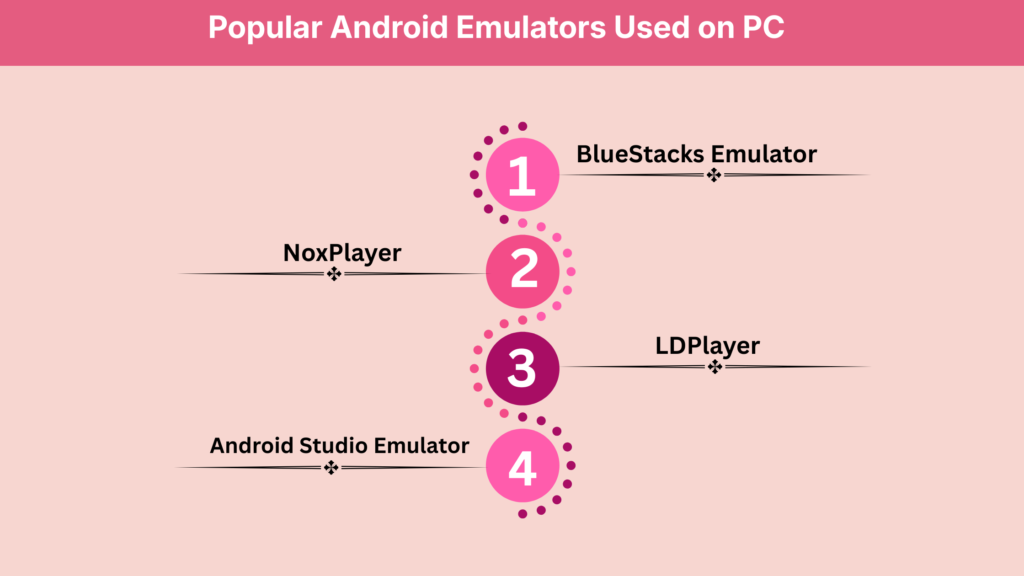
Popular Android Emulators Used on PC
⚠️ Mentioned for informational awareness only, not endorsement.
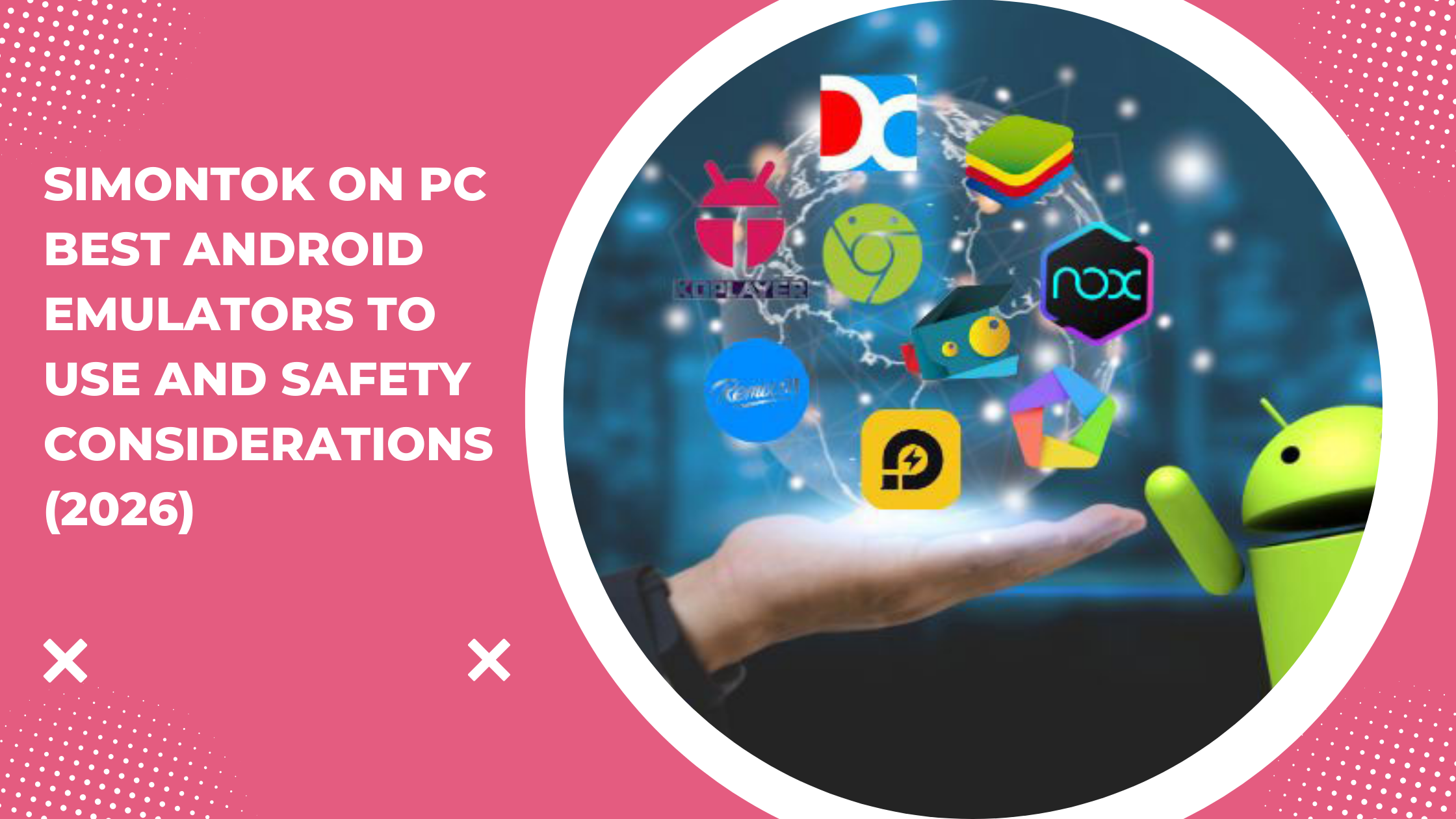
BlueStacks Emulator
BlueStacks is one of the most widely used Android emulators. It features a user-friendly interface and supports manual APK installation. However, it is known for high resource usage, frequent advertisements, and background processes.
NoxPlayer
NoxPlayer is considered lightweight and customizable, making it popular for media and app testing. Some users have raised privacy concerns, particularly related to bundled software and system permissions.
LDPlayer
LDPlayer is optimized for performance on mid-range systems and generally runs smoothly. However, it requires frequent updates, and its data-handling transparency is limited.
Android Studio Emulator
Android Studio’s emulator is the official development tool from Google. It offers the highest level of control and security but is complex to configure and not designed for casual users.
General Emulator Setup Process
Installing an emulator typically begins by downloading the software from its official website. Third-party installers should be avoided to reduce malware risk. Optional bundled software should always be declined.
Most emulators require hardware virtualization to be enabled in the system BIOS. Without virtualization, emulators may fail to launch or perform poorly.
Once installed, the emulator boots like an Android device, allowing users to access system settings and install APK files within the virtual environment.
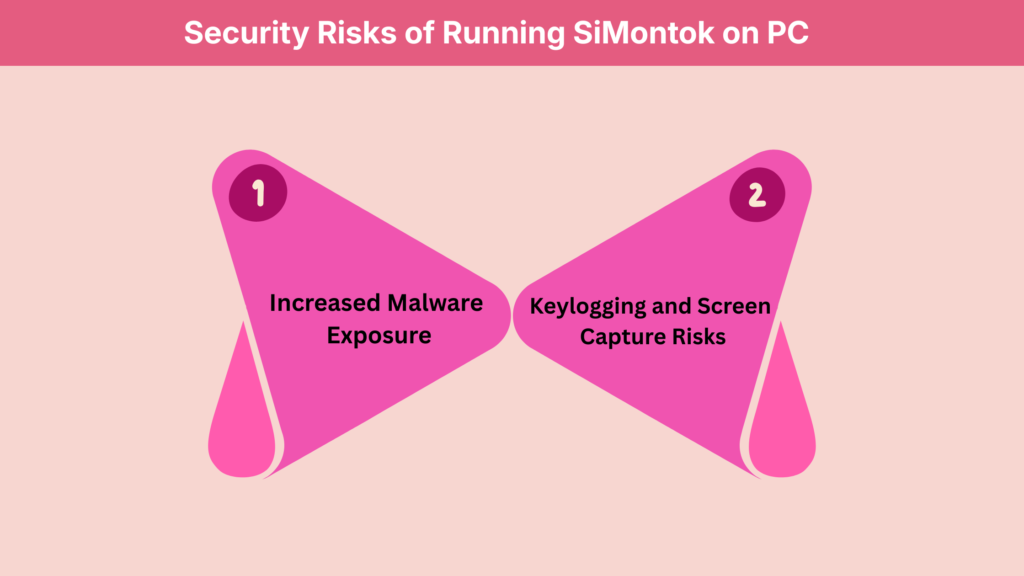
Security Risks of Running SiMontok on PC
Increased Malware Exposure
Desktop systems often store sensitive personal and professional data. A compromised emulator or APK can potentially expose files, passwords, and system access in ways that are more severe than on mobile devices.
Keylogging and Screen Capture Risks
Malicious APKs may attempt to capture keystrokes, monitor clipboard activity, or access microphones and webcams. On a PC, these risks are amplified due to broader system access.
Privacy Concerns When Using Emulators
Data Sharing Between Emulator and Host System
Some emulators share clipboard data, sync files automatically, or access system folders. This reduces isolation between the virtual device and the computer, increasing privacy risks.
Lack of Transparent Privacy Policies
Many third-party APKs lack clear privacy disclosures, consent mechanisms, or compliance with modern data protection regulations, leaving users unaware of how their data is handled.
Legal Considerations for PC Usage
The legality of using third-party APKs depends on regional laws. Accessing copyrighted or restricted content may violate digital regulations. Users are responsible for ensuring compliance with local laws.
Installing emulators on workplace, school, or public computers may also violate acceptable use policies.
Common Performance Issues
Emulators are resource-intensive applications. Users may experience lag, freezing, overheating, high CPU usage, and reduced battery life, especially on laptops and low-end systems.
Safer Alternatives to Emulator Usage
Instead of running APKs on a PC, safer options include using official web-based platforms, licensed streaming services, or mobile-only usage with proper security safeguards. These alternatives significantly reduce system-level risks.
Best Safety Practices If Using an Emulator
Users who choose to use emulators should isolate activity by using a separate system account, avoid logging into personal services, keep antivirus protection enabled, and closely monitor system behavior. Any unusual activity should result in immediate uninstallation.
Why Official Platforms Remain Safer
Official platforms provide content moderation, legal compliance, regular security updates, and user reporting mechanisms. These protections are not available when installing third-party APKs through emulators.
Conclusion
Running SiMontok on a PC requires Android emulators, which introduce additional security, privacy, legal, and performance risks. While emulators allow Android apps to function on desktops, they also increase exposure to malware and system-level threats.
Understanding how emulators work and following strong digital safety practices is essential for protecting personal data and device integrity in 2026.
FAQs
Can SiMontok be used on a PC without an emulator?
No. SiMontok is an Android-based APK and cannot run natively on Windows or macOS. An Android emulator is required to simulate an Android environment on a PC.
Is it safe to run SiMontok on a PC using an emulator?
Running third-party APKs on a PC increases security and privacy risks. Emulators can expose system files, and unverified APKs may contain malware. Caution and strong security measures are essential.
Which Android emulator is best for running APKs on PC?
Popular emulators include BlueStacks, NoxPlayer, and LDPlayer. However, performance, privacy policies, and security practices vary, so users should research carefully before installing any emulator.
Why does SiMontok lag or crash on a PC?
Performance issues usually occur due to insufficient RAM, lack of CPU virtualization, outdated graphics drivers, or running too many background applications.
Can using SiMontok on PC cause data or privacy issues?
Yes.Some APKs may access clipboard data, files, or system permissions through the emulator. Without a clear privacy policy, users cannot fully control how their data is handled.
Should I log into personal accounts while using an emulator?
It is not recommended. Logging into personal email, banking, or social media accounts increases the risk of data exposure if the emulator or APK is compromised.